Key takeaways
- You can use a prepaid SIM, an eSIM or a pocket Wi-Fi for short stays, and a monthly plan for long stays.
- Monthly contracts usually need your residence card, passport and a Japanese address.
- Check that your home phone is unlocked and supports Japanese networks before you rely on it.
- Ask about minimum contract periods and cancellation fees before you sign.
About this guide: written by the LALALA Nihon team. LALALA Plus Co., Ltd. has helped students apply to Japanese language schools since 2009, and our counselors have helped more than 1,000 students. This guide on mobile phones in Japan is based on official sources and the published information of our partner schools.
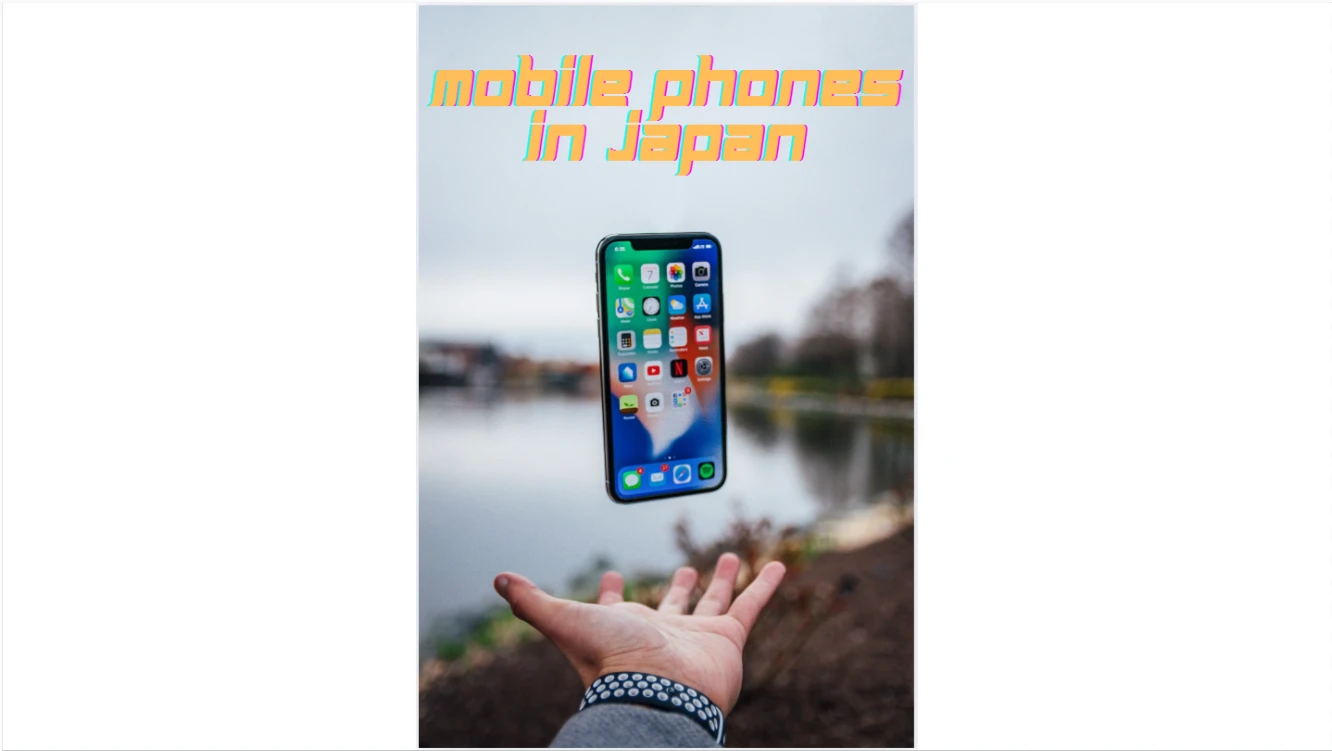
If you’re planning to live, travel, or study in Japan, understanding the local mobile phone culture is a must. Japan’s mobile phone landscape is unique, shaped by cutting-edge technology, distinct cultural habits, and a variety of options for residents, visitors, and international students. Here’s everything you need to know to navigate Japan’s mobile phone ecosystem like a pro.

Photo: Jezael Melgoza on Unsplash.
Getting a Japanese Phone Number: What Are Your Options?
SIM Cards and eSIMs
If you’re visiting Japan temporarily, getting a prepaid SIM card or eSIM is one of the easiest options. They’re widely available at airports, electronics stores, and even online. Providers like Mobal, Sakura Mobile, and SoftBank offer packages that cater to short-term visitors. These often include data-only plans or voice and data options.
For those staying longer—particularly students—a postpaid SIM with a Japanese phone number might be more practical. Providers like SoftBank, NTT Docomo, and au offer plans designed for residents. You’ll typically need a residence card and a Japanese bank account to sign up.
Renting Phones
Another convenient option, especially for short trips or students waiting for longer-term setups, is renting a mobile phone. Companies like SoftBank and Japan SIM Card Rental offer easy-to-use devices with flexible packages. These are great if you prefer a quick setup without committing to a long-term plan.
How to Choose the Right Mobile Plan
Data Usage
Japan has excellent mobile networks, but data usage can be expensive without the right plan. Most providers offer unlimited data plans, but if you’re a light user, look for limited-data packages to save money. Students can also explore student-friendly packages, which often include discounts.
Call and Text Options
While messaging apps like Line dominate in Japan, some plans include free domestic calls and texts, which can be helpful if you’re dealing with local services or institutions, such as your school or landlord.
International Communication
If you’ll need to stay connected internationally—to call family or friends back home—look for plans that include international calling or data roaming. Alternatively, apps like Skype, WhatsApp, and Zoom can help you avoid high fees.
Mobile Culture in Japan: What to Expect
Iconic Features
Japan’s mobile culture evolved differently from other countries. In the early 2000s, "keitai" (flip phones) were packed with features like cameras and mobile payments long before smartphones became the global standard. Today, smartphones dominate the market, with brands like Apple and Sony leading the way.
Popular Apps
Japanese users heavily rely on apps like Line for messaging, Yahoo Japan for news and search, and PayPay for mobile payments. If you’re moving to Japan, downloading these apps can make your life much easier.
Etiquette
Using your phone on public transport is frowned upon, especially for calls. Instead, people use their devices quietly for messaging, reading, or gaming. Be mindful of these norms to avoid standing out in a bad way.
Setting Up Your Phone: Tips for a Smooth Start
Network Compatibility
Before bringing your own device to Japan, make sure it’s compatible with local networks. Most unlocked smartphones work fine, but double-check with your provider.
Language Settings
Many phones purchased in Japan default to Japanese. If you’re not fluent, switch the language settings to your preferred language during setup.
Emergency Numbers
Japan has different emergency numbers for specific services:
- 110 for police
- 119 for fire and ambulance Save these numbers and ensure your phone is ready to dial them in case of an emergency.
Buying a Smartphone in Japan
Popular Models
Apple’s iPhones consistently dominate the Japanese market, followed by domestic brands like Sony and Sharp. Android devices from Samsung and Google are also popular choices.
Where to Buy
You can purchase smartphones at carrier stores, large electronics retailers like Yodobashi Camera, or second-hand shops for more budget-friendly options. Be sure to ask about warranties and whether the device is unlocked.
Financing Options
Many carriers offer installment plans, making it easier to afford high-end devices. However, these often require a long-term contract, so be sure to read the fine print.
Staying Connected: Wi-Fi and Beyond
While mobile data plans are reliable, Japan has extensive free Wi-Fi networks available in cafes, train stations, and public spaces. Apps like Japan Connected-Free Wi-Fi can help you locate hotspots.
For those who need constant connectivity, consider renting a pocket Wi-Fi device. These portable hotspots are perfect for groups and can handle multiple devices simultaneously.
Final Thoughts
Navigating Japan’s mobile phone landscape doesn’t have to be complicated. Whether you’re visiting for a week, planning to study, or staying long-term, there are plenty of options tailored to your needs. From SIM cards to mobile rentals, understanding Japanese phone culture will make your experience smoother and more enjoyable. Before you sign a contract, ask about the minimum contract period and cancellation fees, because leaving early can cost extra. Prepaid and data-only SIMs are easier for short stays, while longer stays may qualify for monthly plans once you have a Japanese address. Bring your residence card and passport, and check whether the shop can explain the contract in your language. Keep your home number active if you use it for bank verification codes, and use LINE for most daily messaging in Japan.
If you’d like to dive deeper into specific topics, here are some helpful links:
- How to Get a Japanese Phone Number
- Japanese Mobile Phone Culture
- Most Popular Smartphone Brands in Japan
- SoftBank Mobile Plans
Happy texting and good luck with your studies in Japan!
Which option fits your stay?
| Stay | Good option | What to check |
|---|---|---|
| Under 3 months | Prepaid SIM, eSIM or pocket Wi-Fi | Data allowance and expiry date |
| 3 months to 1 year | Monthly plan with a discount provider | Contract length and fees to cancel |
| 1 year or more | Monthly plan from a major carrier or discount brand | Support in your language and total yearly cost |
Before you go to the shop
- Bring your residence card, passport and a bank card or credit card.
- Know your monthly data need, since video calls and maps use more.
- Ask whether the staff can explain the contract in your language.
Frequently asked questions
Can I use my phone from home in Japan?
Yes, if it is unlocked and supports the frequency bands used in Japan. Check with your carrier before you travel, and consider an eSIM so you can switch quickly.
Do I need a residence card for a phone contract?
For most monthly contracts, yes. Short-stay prepaid SIMs and pocket Wi-Fi often need only a passport.
What is the cheapest option for a short stay?
A prepaid SIM, an eSIM or a pocket Wi-Fi rental is usually the simplest and cheapest option for stays under three months.
Related guides
- How to Say Medicine in Japanese: Vocabulary and Phrases
- Part-Time Jobs for International Students in Japan (2027)
- Scholarships for Japanese Language School Students
- SMBC Banking and Money Transfers in Japan: A Guide
- Japanese Government Offices: A Guide for New Residents
- How to Become an Anime Voice Actor: A Seiyuu Guide
Sources and further reading
Need help with your application? See our 2027 cost guide, our student resources, or book a free consultation with LALALA Nihon.
LALALA Nihon helps you compare schools, plan your budget and apply for 2027 intakes, with free multilingual support on applications, visas and student life.